Every Work Deserves Its Own Archive
A short essay on why documentation — website, catalogue, digital archive — has become part of the artistic practice itself, not an administrative afterthought.
Every Work Deserves Its Own Archive
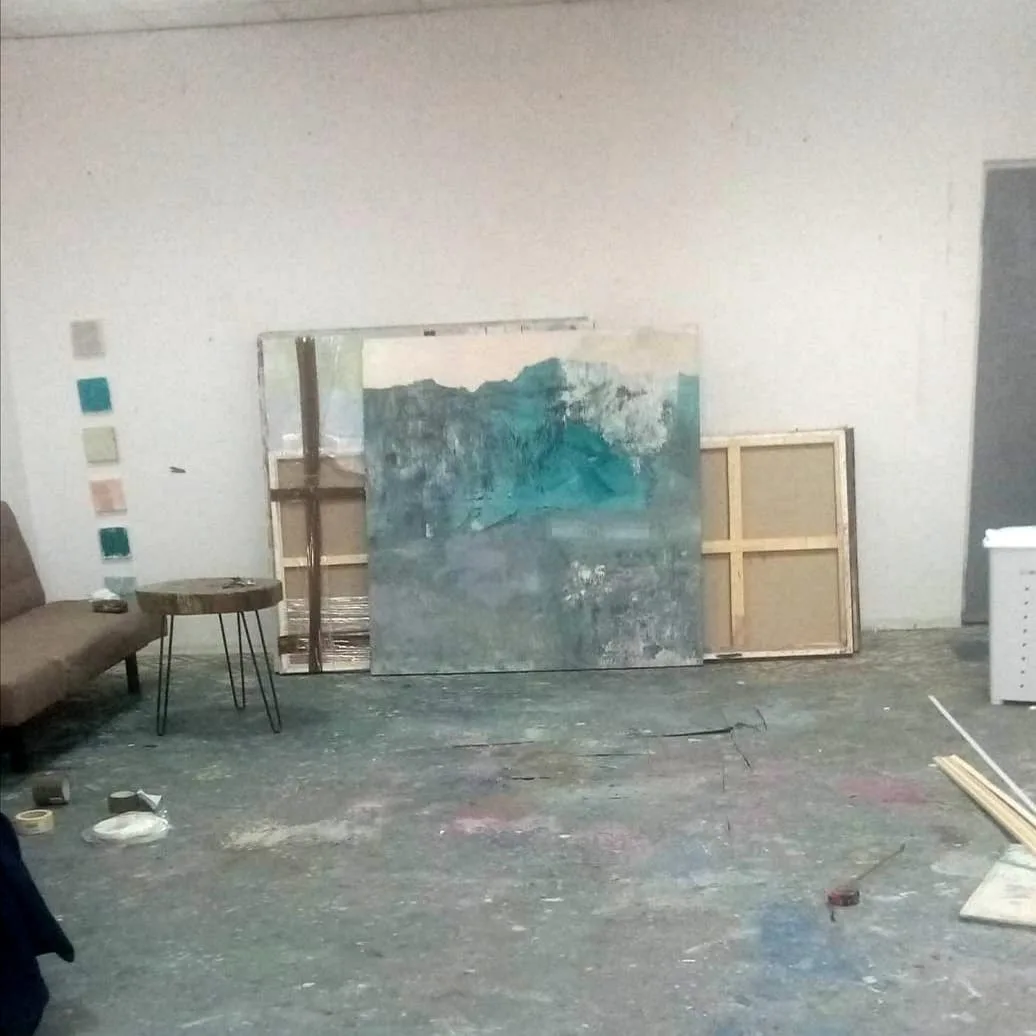
A work of art begins in the studio.
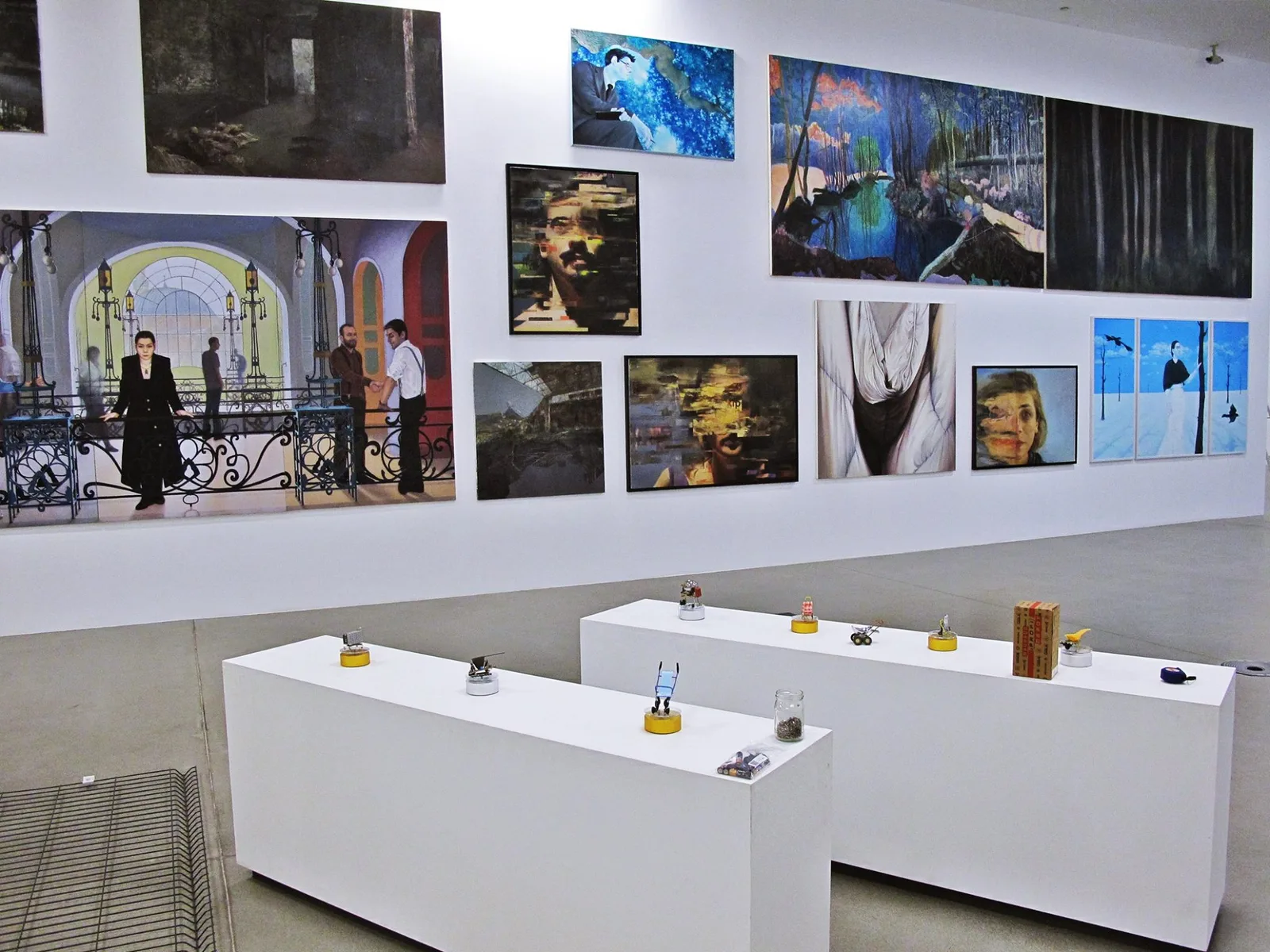
It continues in the exhibition.
It finds its place in collections, in critical dialogue, and in public memory through documentation.
In contemporary artistic practice, the website, the catalogue and the digital archive complete this journey — bringing together images, texts, series of works, the creative process and the chronology of exhibitions into a coherent, accessible and lasting space.
Documentation is no longer an administrative gesture. It is part of the artistic practice itself.
The Work and Its Context
A painting can exist independently, and the viewer's experience always remains free.
At the same time, every work carries a context with it: the period in which it was made, the questions that generated it, the materials used, the series it belongs to, and its relationship to the artist's other works.
This context enriches the understanding of the work without limiting its openness to multiple interpretations.
The artist's website becomes the place where the work and its context meet.
The Archive as an Extension of the Studio
The studio is where works are born.
The archive is where they begin to speak to one another.
Each painting exists as an autonomous object, yet together they build a body of research, an evolution, a visual biography.
In my own practice, the series PREAPOCALIPTIC works exactly this way: each piece holds meaning on its own, but read alongside the others, it reveals a direction of research that wouldn't be visible from a single isolated image.
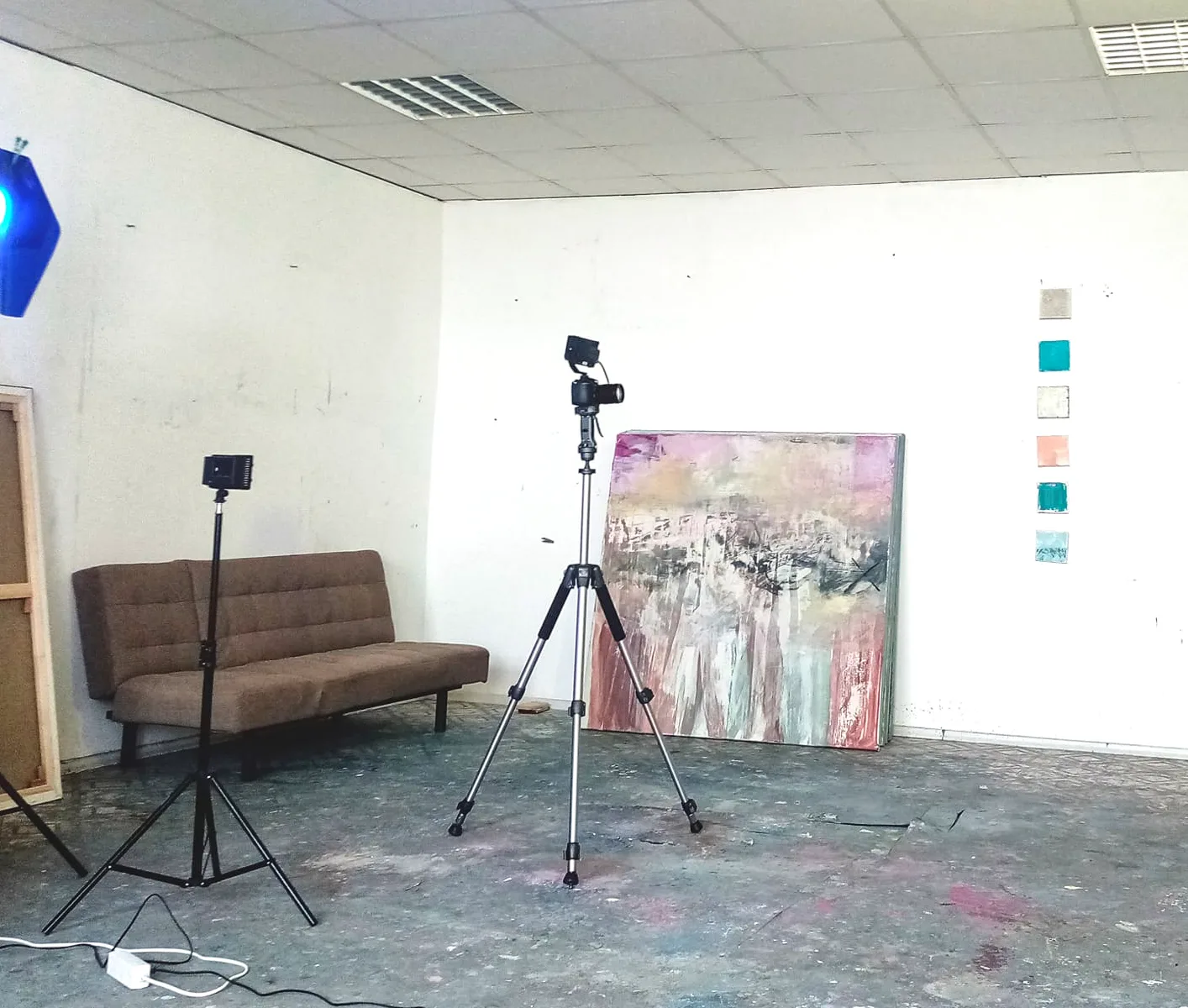
Studio Notes — the documented journal of the process — exists precisely to make this continuity visible, not as an appendix, but as part of the work itself.
The Catalogue Still Exists. Only Its Form Has Changed.
The printed catalogue remains one of the most important tools of documentation in the art world — it fixes a moment, an exhibition, a stage.
The website takes on this function and adds a new dimension: it can evolve alongside the artist, integrate new texts, connect exhibitions held years apart, and bring together images, video, interviews and articles into a single archive, accessible anywhere in the world.
Documentation in the Age of Artificial Intelligence
Where the first encounter with an artistic practice once took place in a gallery, a museum, or through a printed catalogue, today it often begins in a search engine or through an AI-based system.
In this context, the website becomes a primary research source — not an option, but a condition.
The more carefully documentation is built, the clearer the overall picture of an artistic practice becomes, and the lower the risk of a later "translation" distorted by secondary sources and fragmented memory.
Conclusion
Every artist builds two bodies of work.
The first is born in the studio.
The second is built over time, through the way works, exhibitions, texts and documents come together into a coherent archive — from the exhibition history to the series that give it shape.
The painting offers direct experience. Documentation offers continuity.
Together, they form the memory of an artistic practice — and the condition for it to be understood correctly, without half-measures, beyond the studio and beyond time.
Further Reading
- About — my artistic path and practice
- Bodies of Work — Seeds, Industrial Landscapes and Garbage, the series behind this essay
- Studio Notes — the full archive of essays and process notes
- Selected Exhibitions — the full record of past and upcoming exhibitions
- Contact — for collaborations, acquisitions or press